Newhaven
The Death of Bunny MunroNewhaven recurs as a coastal setting where the novel’s separate pressures meet: Bunny’s work on the sales road, the Horned Killer’s reported violence, Bunny Junior’s longing for his mother, and a final client visit. The town is marked through particular interiors and roadside encounters rather than through a broad portrait of its community.
Sales work and distant danger
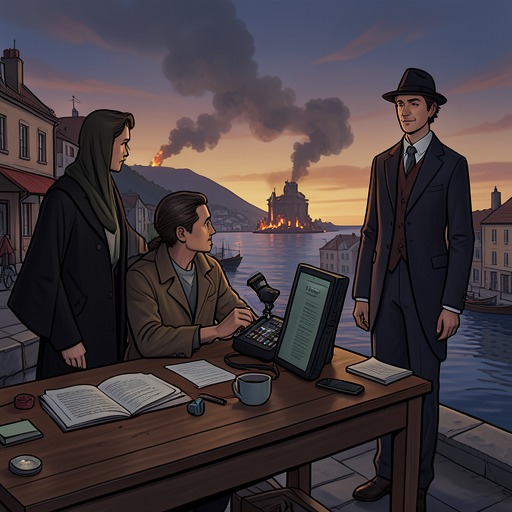
In a small Newhaven maisonette, Bunny presents a skincare line to Pamela Stokes. A large television in the living room appears to show new CCTV footage of the Horned Killer moving through a crowd, but late-afternoon sunlight washes out the image. Bunny cannot be certain of what he sees; the crowd’s screams are familiar enough to stir his concern about how close the attacks may be to Brighton. The sales pitch continues in the same room as the news of violence, setting commercial performance against a threat that Bunny can glimpse but not clearly establish.
Bunny Junior on Meeching Road
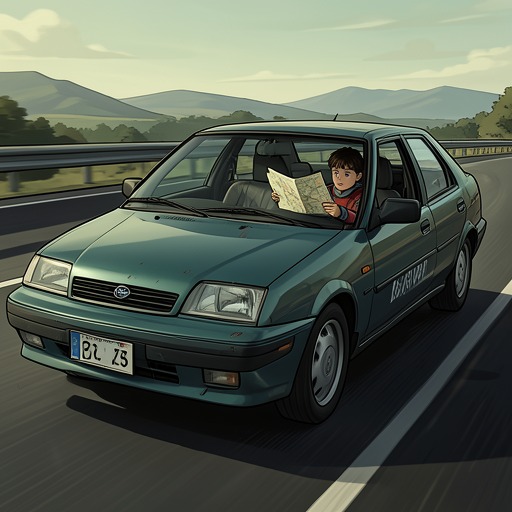
Newhaven is also where Bunny Junior waits in the Punto on Meeching Road. He believes that if he stays there, his mother will eventually find him. In this moment, a memory of Libby is accompanied by the perceived smell of her hand cream and the imagined touch of her hand; the scene gives the town a close connection to his bereavement and hope. His stillness in the car contrasts with Bunny’s continuing movement between sales appointments.
The last client visit
A bungalow belonging to Mary Armstrong stands on a hill between Peacehaven and Newhaven, making the town part of the route to the last name on the client list. Its overgrown yard contains discarded appliances, broken machines, a bathtub filled with old newspapers, a ruptured kayak, and a dismantled motorcycle. At its centre is an abstract sculpture assembled from welded steel and brightly painted plastic. The setting registers the visit as another unpromising stop: of the three names remaining on the list, the other two have already proved fruitless. Newhaven thus belongs to the practical geography of Bunny’s sales journey as well as to the novel’s more intimate scenes of fear and loss.